When preparing for emergencies, one of the most important aspects is communication. In unexpected situations such as power outages, natural disasters, or when cellular networks fail, maintaining a reliable way to stay in touch with family or group members is crucial. This is where walkie-talkies become valuable tools in your emergency preparedness kit.
Walkie-talkies provide a dependable communication method that does not rely on mobile phone networks or internet connections. Instead, they use radio frequency channels to transmit messages directly between units, making them especially useful in situations where other systems are down.
The Practical Value of Walkie-Talkies
Walkie-talkies are more than just gadgets for outdoor fun. In emergency scenarios, they provide:
- Instant communication: A simple press-to-talk function allows users to communicate quickly and easily without dialing numbers or waiting for a connection.
- Network-independent contact: Because they don’t rely on cell signal or Wi-Fi, walkie-talkies can function even when traditional communication tools fail.
- Easy use for all ages: Walkie-talkies are designed to be straightforward, making them accessible to children and adults alike.
These characteristics make walkie-talkies a practical addition to any household emergency plan.

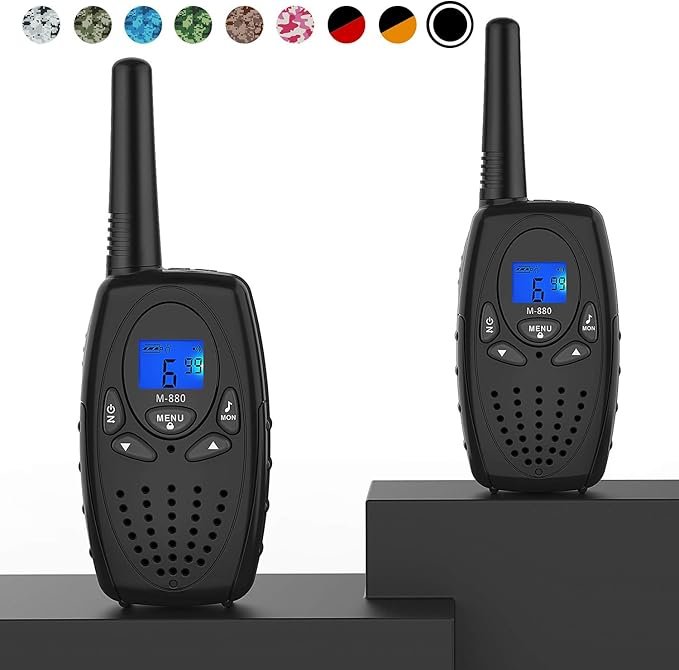
- 【Smart System】: Auto squelch system, Auto monitor function, Auto memory function, Auto scan function, Auto power saving,…
- 【Main Parameters】:22 main channels and 121 privacy codes(2662 Combinations), Long range in different terrains(Up to 1/3/…
- 【Friendly Design】:Palm size, Lightweight(2.9oz), Hands free function(VOX), Keypad lock(Channel lock), Adjustable power a…
How Walkie-Talkies Help in Real Situations
Walkie-talkies are useful in a variety of emergency and preparedness scenarios:
- During power outages: When lighting and electricity fail, family members can coordinate and check on each other easily.
- In natural disasters: Communication infrastructure may be damaged or overloaded; walkie-talkies help maintain contact.
- While evacuating: If members of a group get separated, these devices ensure everyone remains connected.
- Outdoor emergencies: Useful for camping, hiking, or recreational activities where cell signal is weak or absent.
Overall, walkie-talkies help reduce anxiety and confusion by providing a reliable method of communication when it’s most needed.
Choosing the Right Walkie-Talkies
When selecting walkie-talkies for emergency preparedness or general use, consider the following:
- Range: Look for units with sufficient range to cover your home, neighborhood, or activity area.
- Durability: Devices designed to withstand outdoor conditions add reliability.
- Battery life: Long battery life ensures the radios are ready when needed without frequent recharging.
- Channels: Multiple channels provide flexibility and reduce interference.
Choosing a model that balances these factors with ease of use ensures that your walkie-talkies will serve you well when called upon.
Integrating Walkie-Talkies Into Preparedness Plans
A comprehensive preparedness plan includes tools that support communication, safety, and comfort. While items like flashlights and first-aid kits address physical needs, communication devices like walkie-talkies help coordinate actions and keep everyone informed.
Consider pairing your walkie-talkies with:
- Backup power sources (to recharge them)
- Emergency lighting
- A written family communication plan
- Other devices like radios for weather updates
This integrated approach enhances your overall readiness, helping your household stay safe and connected.
Final Thoughts
Reliable communication is a cornerstone of effective emergency preparedness. Walkie-talkies offer a simple, dependable, and flexible way to stay in touch without depending on cell service. Their ease of use and independence from traditional networks make them an intelligent addition to any preparedness kit.
Including walkie-talkies helps ensure that, no matter the situation, you and your loved ones can stay connected when it matters most.
Why Walkie-Talkies Are Important for Emergency Preparedness
When preparing for emergencies, one of the most important aspects is communication. In unexpected situations such as power outages, natural disasters, or when cellular networks fail, maintaining a reliable way to stay in touch with family or group members is crucial. This is where walkie-talkies become valuable tools in your emergency preparedness kit.
Walkie-talkies provide a dependable communication method that does not rely on mobile phone networks or internet connections. Instead, they use radio frequency channels to transmit messages directly between units, making them especially useful in situations where other systems are down.
The Practical Value of Walkie-Talkies
Walkie-talkies are more than just gadgets for outdoor fun. In emergency scenarios, they provide:
- Instant communication: A simple press-to-talk function allows users to communicate quickly and easily without dialing numbers or waiting for a connection.
- Network-independent contact: Because they don’t rely on cell signal or Wi-Fi, walkie-talkies can function even when traditional communication tools fail.
- Easy use for all ages: Walkie-talkies are designed to be straightforward, making them accessible to children and adults alike.
These characteristics make walkie-talkies a practical addition to any household emergency plan.
How Walkie-Talkies Help in Real Situations
Walkie-talkies are useful in a variety of emergency and preparedness scenarios:
- During power outages: When lighting and electricity fail, family members can coordinate and check on each other easily.
- In natural disasters: Communication infrastructure may be damaged or overloaded; walkie-talkies help maintain contact.
- While evacuating: If members of a group get separated, these devices ensure everyone remains connected.
- Outdoor emergencies: Useful for camping, hiking, or recreational activities where cell signal is weak or absent.
Overall, walkie-talkies help reduce anxiety and confusion by providing a reliable method of communication when it’s most needed.
Choosing the Right Walkie-Talkies
When selecting walkie-talkies for emergency preparedness or general use, consider the following:
- Range: Look for units with sufficient range to cover your home, neighborhood, or activity area.
- Durability: Devices designed to withstand outdoor conditions add reliability.
- Battery life: Long battery life ensures the radios are ready when needed without frequent recharging.
- Channels: Multiple channels provide flexibility and reduce interference.
Choosing a model that balances these factors with ease of use ensures that your walkie-talkies will serve you well when called upon.
Integrating Walkie-Talkies Into Preparedness Plans
A comprehensive preparedness plan includes tools that support communication, safety, and comfort. While items like flashlights and first-aid kits address physical needs, communication devices like walkie-talkies help coordinate actions and keep everyone informed.
Consider pairing your walkie-talkies with:
- Backup power sources (to recharge them)
- Emergency lighting
- A written family communication plan
- Other devices like radios for weather updates
This integrated approach enhances your overall readiness, helping your household stay safe and connected.
Final Thoughts
Reliable communication is a cornerstone of effective emergency preparedness. Walkie-talkies offer a simple, dependable, and flexible way to stay in touch without depending on cell service. Their ease of use and independence from traditional networks make them an intelligent addition to any preparedness kit.
Including walkie-talkies helps ensure that, no matter the situation, you and your loved ones can stay connected when it matters most.
When preparing for emergencies, one of the most important aspects is communication. In unexpected situations such as power outages, natural disasters, or when cellular networks fail, maintaining a reliable way to stay in touch with family or group members is crucial. This is where walkie-talkies become valuable tools in your emergency preparedness kit.
Walkie-talkies provide a dependable communication method that does not rely on mobile phone networks or internet connections. Instead, they use radio frequency channels to transmit messages directly between units, making them especially useful in situations where other systems are down.
The Practical Value of Walkie-Talkies
Walkie-talkies are more than just gadgets for outdoor fun. In emergency scenarios, they provide:
- Instant communication: A simple press-to-talk function allows users to communicate quickly and easily without dialing numbers or waiting for a connection.
- Network-independent contact: Because they don’t rely on cell signal or Wi-Fi, walkie-talkies can function even when traditional communication tools fail.
- Easy use for all ages: Walkie-talkies are designed to be straightforward, making them accessible to children and adults alike.
These characteristics make walkie-talkies a practical addition to any household emergency plan.
How Walkie-Talkies Help in Real Situations
Walkie-talkies are useful in a variety of emergency and preparedness scenarios:
- During power outages: When lighting and electricity fail, family members can coordinate and check on each other easily.
- In natural disasters: Communication infrastructure may be damaged or overloaded; walkie-talkies help maintain contact.
- While evacuating: If members of a group get separated, these devices ensure everyone remains connected.
- Outdoor emergencies: Useful for camping, hiking, or recreational activities where cell signal is weak or absent.
Overall, walkie-talkies help reduce anxiety and confusion by providing a reliable method of communication when it’s most needed.
Choosing the Right Walkie-Talkies
When selecting walkie-talkies for emergency preparedness or general use, consider the following:
- Range: Look for units with sufficient range to cover your home, neighborhood, or activity area.
- Durability: Devices designed to withstand outdoor conditions add reliability.
- Battery life: Long battery life ensures the radios are ready when needed without frequent recharging.
- Channels: Multiple channels provide flexibility and reduce interference.
Choosing a model that balances these factors with ease of use ensures that your walkie-talkies will serve you well when called upon.
Integrating Walkie-Talkies Into Preparedness Plans
A comprehensive preparedness plan includes tools that support communication, safety, and comfort. While items like flashlights and first-aid kits address physical needs, communication devices like walkie-talkies help coordinate actions and keep everyone informed.
Consider pairing your walkie-talkies with:
- Backup power sources (to recharge them)
- Emergency lighting
- A written family communication plan
- Other devices like radios for weather updates
This integrated approach enhances your overall readiness, helping your household stay safe and connected.
Final Thoughts
Reliable communication is a cornerstone of effective emergency preparedness. Walkie-talkies offer a simple, dependable, and flexible way to stay in touch without depending on cell service. Their ease of use and independence from traditional networks make them an intelligent addition to any preparedness kit.
Including walkie-talkies helps ensure that, no matter the situation, you and your loved ones can stay connected when it matters most.